Indoor air sampling
Best when you need a snapshot of what is in the breathing zone, especially where odors are present but visible growth is not. Results are interpreted in context of the room conditions and other samples.
Serving Orlando, Florida & surrounding areas
24/7 Emergency Response
Mold testing in Orlando
Get clear answers after leaks, humidity issues, or musty odors. We inspect, sample, and send results to an independent lab, then explain what the findings mean for next steps.
Know when testing helps
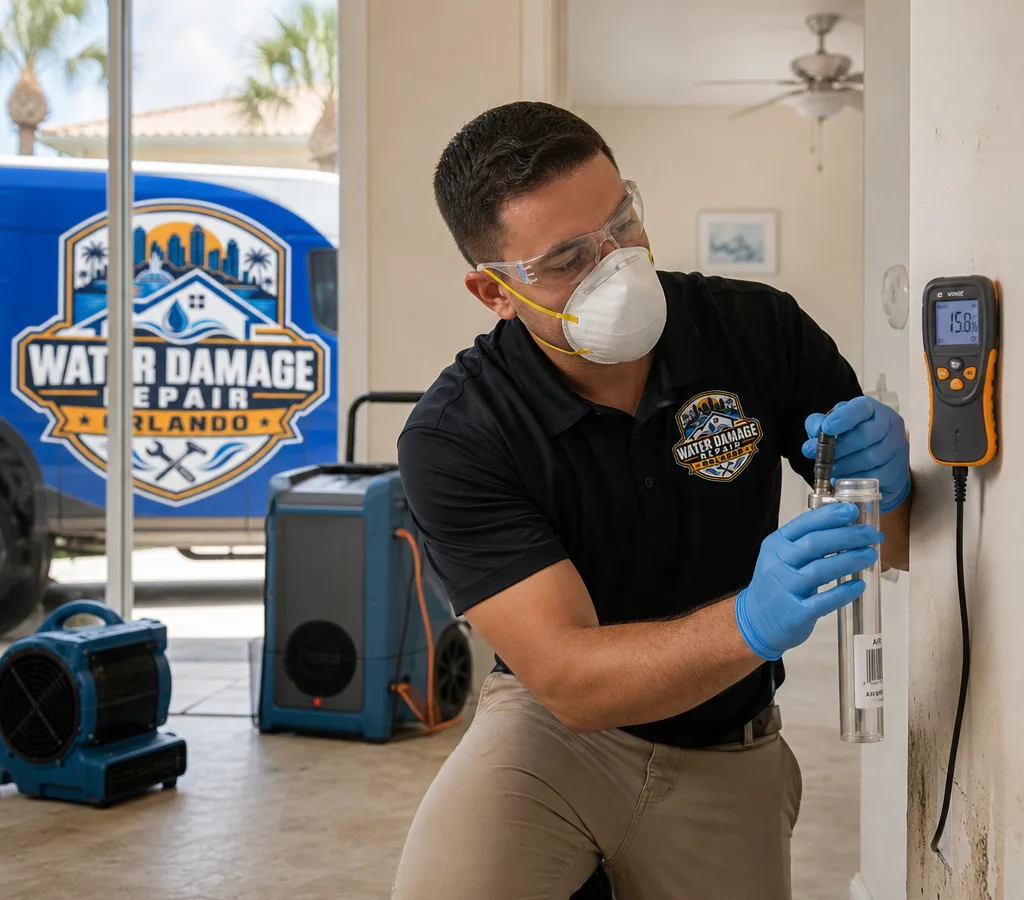
If you are searching for mold testing Orlando homeowners can trust, you probably need an answer fast: is there mold, where is it, and what should happen next? Testing is most useful when there is a real decision on the line, such as whether a room is safe to occupy, whether a leak caused hidden growth, or whether a property transaction needs documentation.
Common situations we see in Orlando include:
Orlando's long cooling season and high humidity can keep cavities like wall bays, closets on exterior walls, and areas around air handlers damp. That is why a quick visual check is rarely enough. Testing paired with moisture investigation is how you avoid guessing.
Inspection before sampling
A proper mold testing appointment starts with the building, not the lab. We look for the moisture source, the likely pathways for air movement, and the materials that can hold water.
Typical steps during a visit:
You receive a written summary of observations plus the lab report. We then walk you through what is actionable: what indicates an active moisture problem, what may be settled dust, and what areas to prioritize for repair.
Evidence-based sampling
Best when you need a snapshot of what is in the breathing zone, especially where odors are present but visible growth is not. Results are interpreted in context of the room conditions and other samples.
An outdoor sample helps establish what is normal for that day so indoor results are not read in a vacuum. This matters in Florida where outdoor spore levels can be high.
Used when there is a visible spot and you need to confirm whether it is mold and what types are present. Helpful for documenting a specific area for a landlord, buyer, or contractor scope.
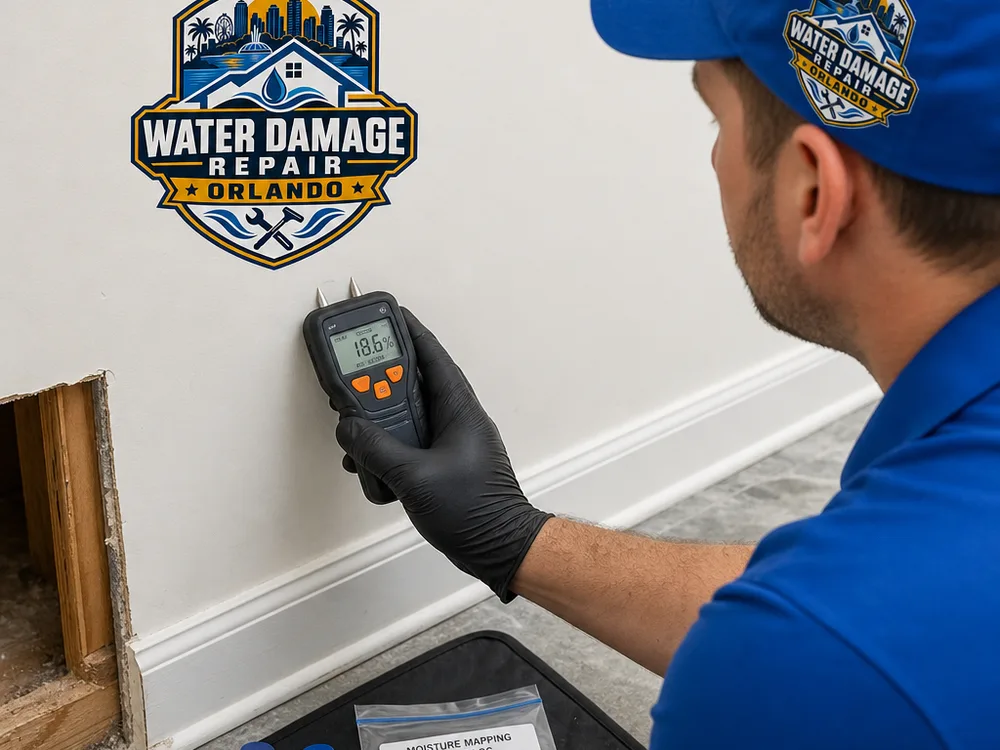
Moisture drives growth. We look for wet building materials, condensation patterns, and HVAC-related issues so recommendations address the cause, not only the surface.
If you are coordinating cleanup, we can outline what “ready for clearance” looks like so containment, cleaning, and drying steps can be verified with meaningful sampling.
Tell us what happened (leak, odor, visible spotting, symptoms) and which rooms are involved. We will recommend an inspection window that fits the urgency and the conditions.
We inspect the areas of concern and surrounding risk zones, then identify where moisture is present or likely. This determines whether testing is needed and what type.
We collect samples based on the evidence, not a one-size-fits-all checklist. Each sample is labeled and documented to match the lab chain-of-custody form.
Samples go to an independent lab for analysis. When results are back, we provide the report and explain what the numbers and species categories mean for your situation.
If issues are found, we outline practical next steps: moisture source correction, scope boundaries for cleanup, and when follow-up sampling is appropriate.
Plan the inspection
Mold testing in Orlando typically ranges from about $250 to $750+, depending on the size of the home and the number and type of samples collected. A small condo inspection with 1 to 2 air samples is usually at the low end, while a larger home with multiple rooms, an outdoor control, and surface samples trends higher.
Final pricing depends on access, how many areas need investigation, whether moisture mapping is needed beyond a basic check, and lab fees tied to the sampling plan. The exact cost is confirmed after the on-site inspection and the number of samples is agreed on before collection.
Interpret results in context
Lab results are only useful when they are interpreted alongside what we saw in the building. Your report will typically list spore categories and counts for each air sample and identify growth types from any swab or tape sample.
What we help you answer from those results:
If your concern started after a leak or flooding, documentation matters. Many customers begin with testing, then coordinate repairs and drying. If you also need help stabilizing conditions after water intrusion, start with Water Damage Repair Orlando FL so the moisture problem is handled promptly and correctly.
Answers before testing
Most mold testing appointments take about 60 to 120 minutes on site, and lab results commonly return in 2 to 5 business days depending on the lab and sample type. If you are on a tight deadline for a real estate contingency or a move-in decision, tell us upfront so we can plan the sampling and reporting timeline.
If you have visible growth, testing is most helpful when you need documentation, want to confirm what is growing on a surface, or suspect the visible area is only part of the problem. In many cases, the more urgent task is finding and fixing the moisture source, because mold can return quickly when humidity or damp materials remain.
Air testing can indicate an indoor source, but it cannot prove the exact hidden location by itself. That is why we pair sampling with moisture mapping and a targeted inspection of likely cavities such as exterior wall bays, baseboards near past leaks, and areas around air handlers or return plenums.
Keep the home in its normal living condition before testing, which usually means running the HVAC as you typically would and keeping windows closed. Large changes like airing out the house right before sampling can skew results and make them harder to interpret for your day-to-day exposure.
Yes. We can document observations and lab findings in a written report that is easy to share with property management or a landlord. For rentals, it also helps to note any recent leaks, AC issues, or bathroom ventilation problems so the report reflects likely moisture drivers, not just sample numbers.
We focus on areas with recurring moisture or condensation risk: bathrooms, kitchens under sinks, laundry areas, closets on exterior walls, and HVAC-related zones like around the air handler and the return. If there has been a known leak, the adjacent rooms and any shared wall cavities get extra attention because moisture can wick and spread beyond the visible stain.
Replace uncertainty with evidence
If you suspect an indoor air quality issue, schedule an inspection and testing plan based on what is happening in your home. You will get documented findings, lab analysis, and straightforward guidance on next steps.