Rapid response and clear scope
We triage the situation, identify affected materials, and explain what needs to happen first. You get a written scope that matches the condition on-site.
Serving Orlando, Florida & surrounding areas
24/7 Emergency Response
Water damage restoration in Orlando
When water gets into drywall, flooring, or cabinets, time matters. We respond fast, stop the spread, dry the structure, and document the work with clear estimates for Orlando homes and businesses.
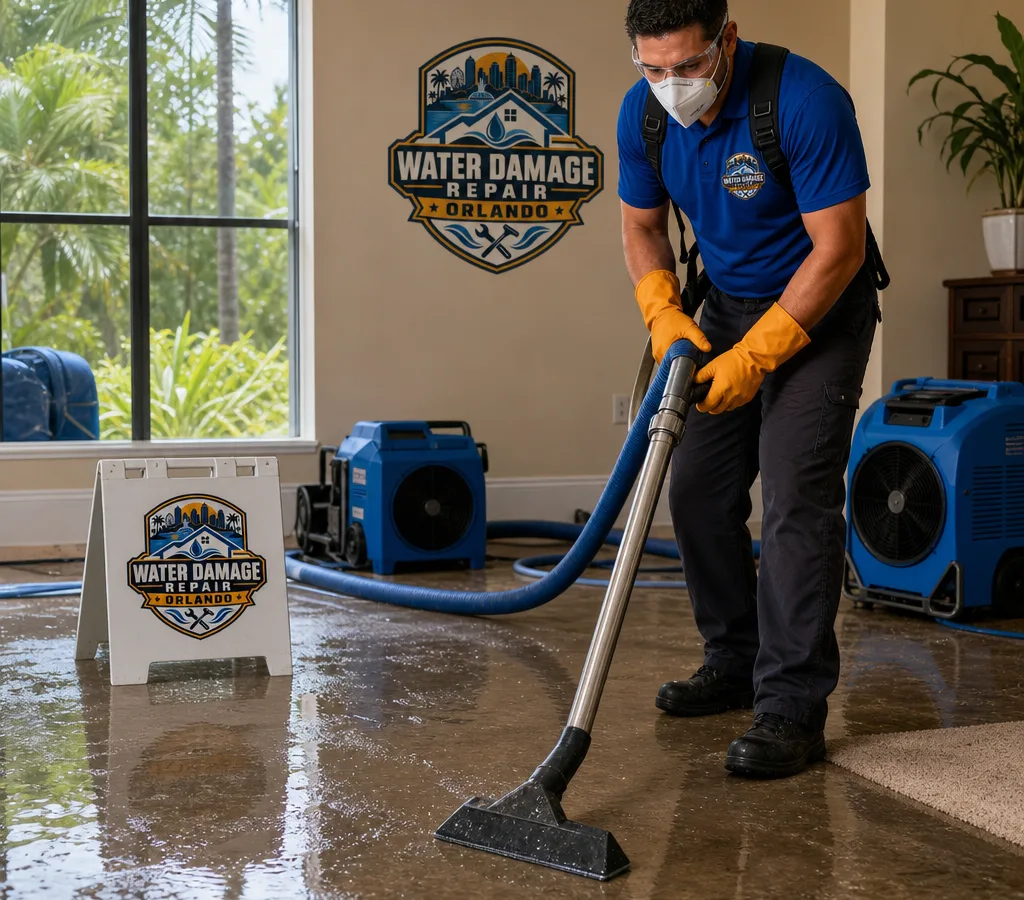
Fast restoration stops the source, limits secondary damage, dries hidden moisture, and returns affected rooms to safe, usable condition.
Protect the whole structure
If you searched for water damage restoration Orlando, you are probably dealing with a leak, overflow, or storm-related intrusion and you need a plan that protects the building, not a quick patch.
At Water Damage Repair Orlando, our work focuses on three priorities: stop the source and prevent secondary damage, dry the structure the right way—not just the surface—and restore the affected areas so the property is safe and usable again. Florida humidity can slow drying and raise the risk of microbial growth, so we rely on moisture measurements, proper containment when needed, and the right drying equipment for the materials in your home or facility.
You can start by describing what happened and what areas are affected, and we will guide the next steps, including what to do immediately to limit damage while you wait for help. We serve Orlando and surrounding areas, including the 32812 area.
Find and dry hidden moisture
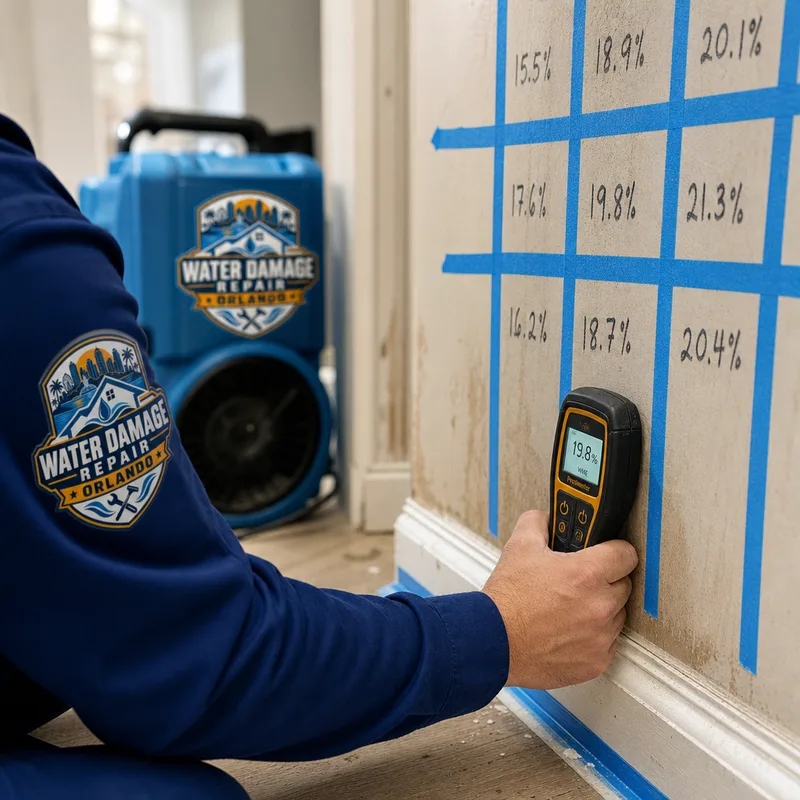
Water damage restoration is more than removing visible water. A correct restoration job addresses hidden moisture that migrates into drywall, baseboards, subfloors, insulation, and behind cabinets.
Typical work may include:
Restoration does not mean treating a major contamination event as a simple dry-out. When water is suspected to be sewage or the source is unknown, the safer approach includes containment and removal of porous materials that cannot be properly cleaned.
In Orlando, losses can start small and travel far, especially in condos, townhomes, and slab-on-grade homes where water can wick under flooring. Around Downtown, Conway, and SoDo, multi-story construction and tight mechanical chases may also let water move between units, making early moisture mapping especially important.
From source control to rebuild
We identify the source—such as a supply line, drain, appliance, or roof intrusion—and help coordinate shutoffs or temporary stabilization. If there is an electrical concern, the area is treated as unsafe until cleared.
We measure affected areas and determine the water category—clean, gray, or sewage—and likely class of loss. This guides what can be dried and what must be removed.
We extract standing water and remove materials that cannot be properly dried or cleaned. When possible, controlled cuts preserve materials that can be saved.
We stage air movers and dehumidifiers, set drying goals, and monitor moisture levels until the structure is dry. Orlando humidity makes monitoring especially important to avoid stalled drying.
Once drying is complete, we restore drywall, trim, flooring transitions, and affected areas as scoped. We walk the space with you so you understand what was completed and what to watch next.
Restoration you can follow
We triage the situation, identify affected materials, and explain what needs to happen first. You get a written scope that matches the condition on-site.
Drying is based on real moisture readings, not guesswork. We set equipment, track progress, and adjust until materials meet dry standards.
When there is a risk of contamination or dust, we use containment and controlled demolition to limit spread to clean areas.
We document conditions, readings, and work performed so you have a clear record for property decisions and insurance conversations.
After drying, we repair and rebuild the affected finishes so the space is functional again, with attention to matching and transitions.
Planning the restoration
Water damage restoration in Orlando typically ranges from about $1,500 to $7,500+, depending on how far water traveled and what materials are affected. A small, clean-water loss with limited dry-out and minor repairs may fall on the low end, while multi-room damage, cabinet removal, or contaminated water cleanup can push costs higher.
Final price depends on the class and category of water, the amount of demolition required, equipment days, access constraints such as condos and tight areas, and how much rebuild is included. The exact cost is confirmed after an on-site inspection and moisture mapping.
From wet materials to restored rooms
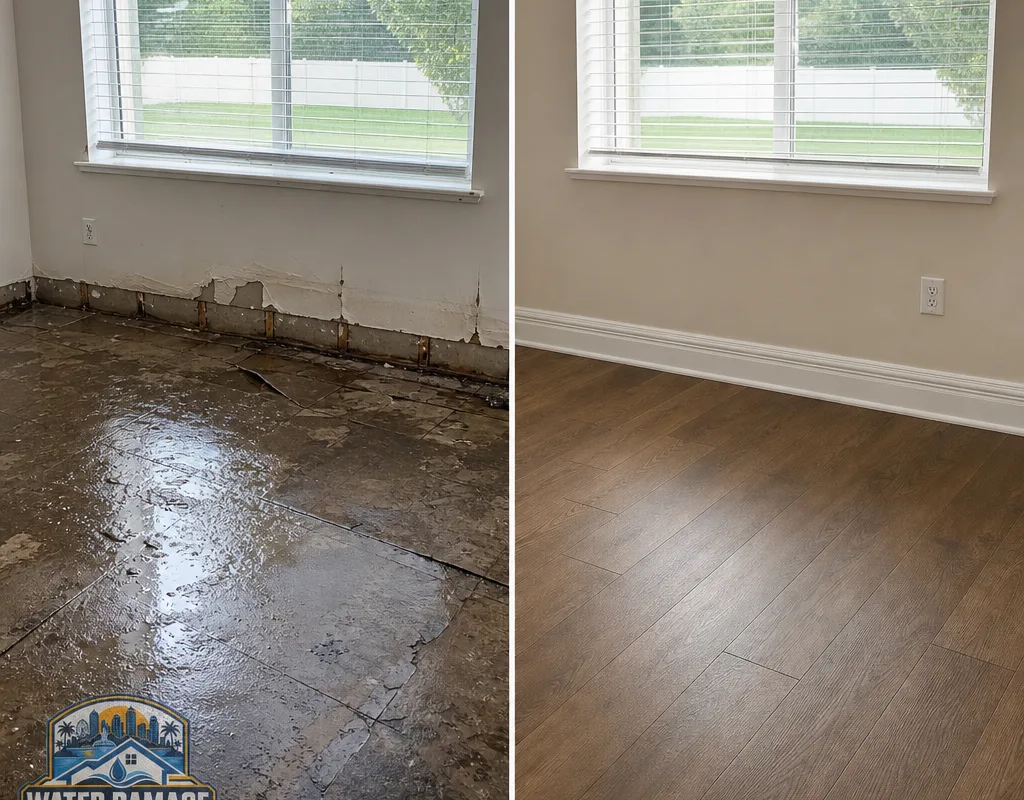
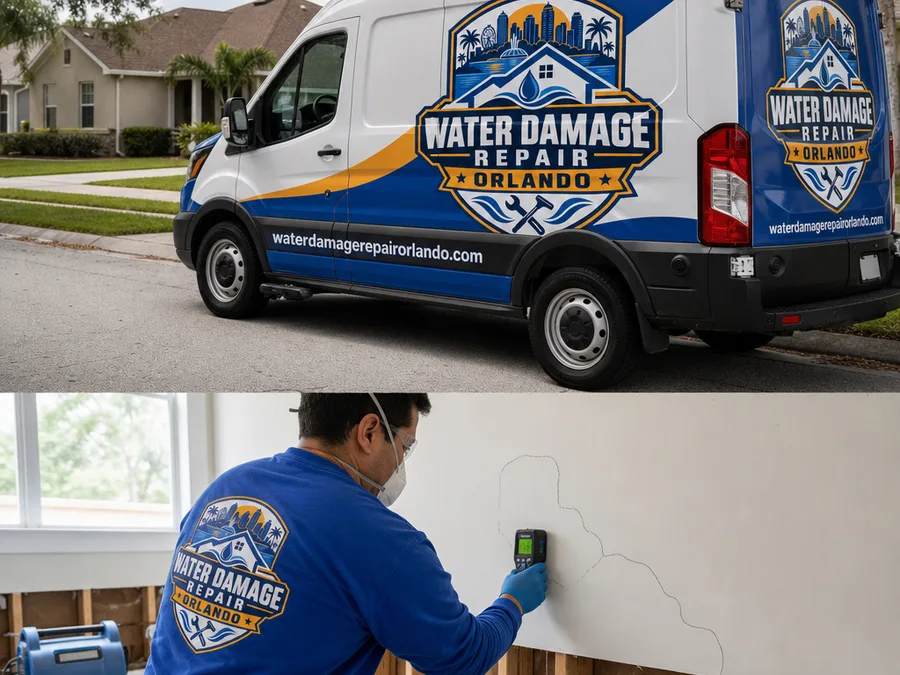
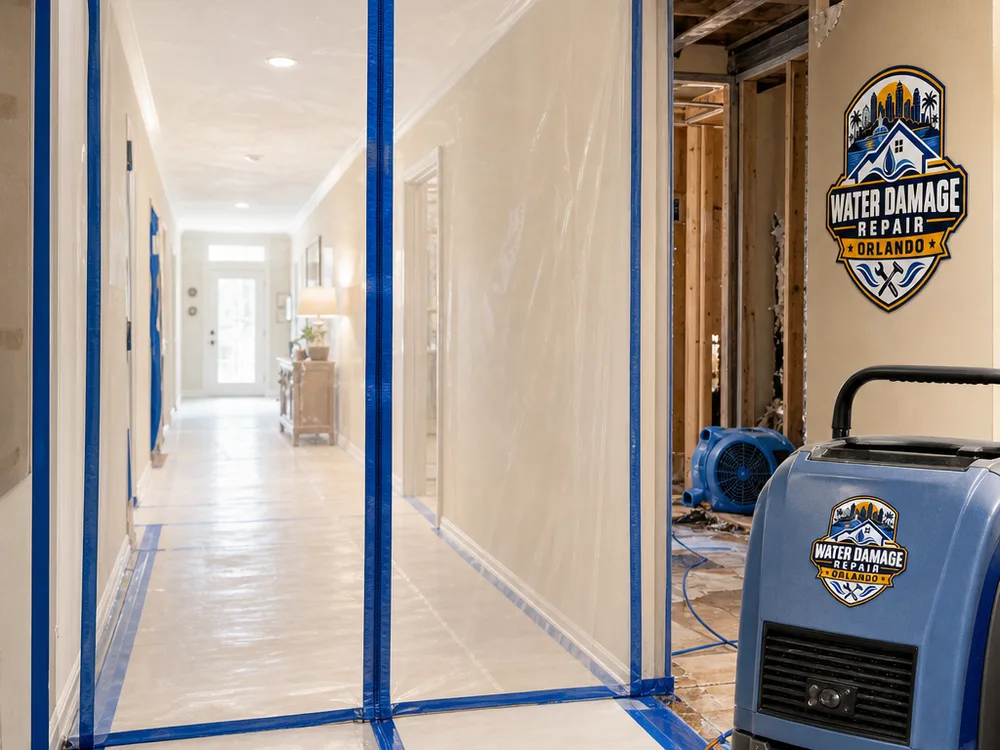
If you have wet drywall, buckled floors, or staining that is growing by the hour, getting an inspection and a drying plan early is the best way to limit how far the damage spreads.
Call for Emergency HelpAnswers before work begins
You should start mitigation as soon as it is safe because moisture can wick into drywall, trim, and subfloors quickly. In Orlando's humid conditions, delays often mean longer equipment time and more material removal. If you can do it safely, stop the water source, move small items out of the wet area, and avoid running HVAC if it is pulling humid air into saturated rooms.
Sometimes they can be dried, but it depends on saturation level, how long they were wet, and the water category. Drywall that is swollen, crumbling, or contaminated usually needs controlled removal. Cabinets may be salvageable if the water was clean and drying starts quickly, but toe-kicks and trapped voids often require access openings so the space behind can dry.
Clean water (Category 1) comes from a sanitary source like a supply line; gray water (Category 2) may contain contaminants like a washing machine overflow; sewage (Category 3) contains harmful pathogens. The category determines containment, cleaning methods, and what porous materials must be removed rather than dried.
Yes, we can provide photos, moisture readings, and a written scope that supports the claim process. Coverage depends on your policy and the cause of loss, but good documentation helps the adjuster understand what was affected and what was required to dry and restore the structure.
Many structural dry-outs take about 3 to 5 days, but timelines vary with the materials, how far water traveled, and how quickly mitigation started. Concrete, plaster, dense hardwood assemblies, and enclosed cavities can take longer. We base completion on moisture readings meeting dry goals, not on the calendar.
Not always. If the affected area is contained and the work is limited, many people stay in the home, though drying equipment is loud and adds heat. If there is sewage, extensive demolition, or safety concerns such as electrical hazards or ceiling-collapse risk, temporary relocation may be the safer option until conditions stabilize.
Start with a clear plan
Tell us what happened, what rooms are affected, and whether water is still active. We will confirm the next steps, provide a written scope, and start the drying and restoration process as quickly as conditions allow in Orlando, FL 32812 and nearby areas.