Moisture mapping, not just a quick look
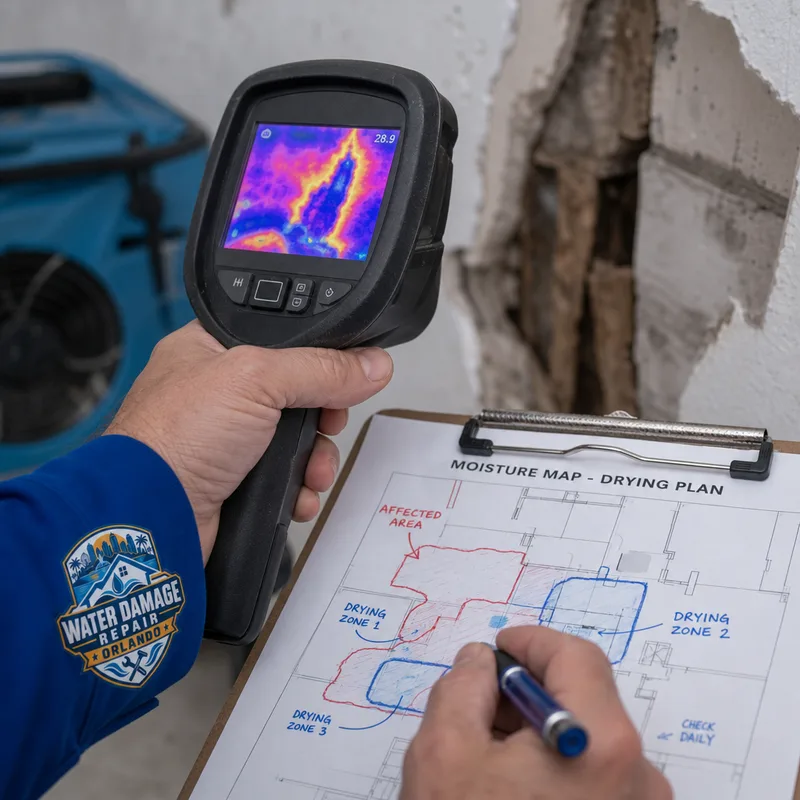
We check walls, floors, and framing with moisture meters and document where water traveled so the drying plan matches the actual footprint.
Serving Orlando, Florida & surrounding areas
24/7 Emergency Response
Water mitigation in Orlando
When water gets into drywall, flooring, or cabinets, speed matters. Get a local team that can assess the damage, stop further spread, and dry the structure correctly so repairs can start with a clear plan.
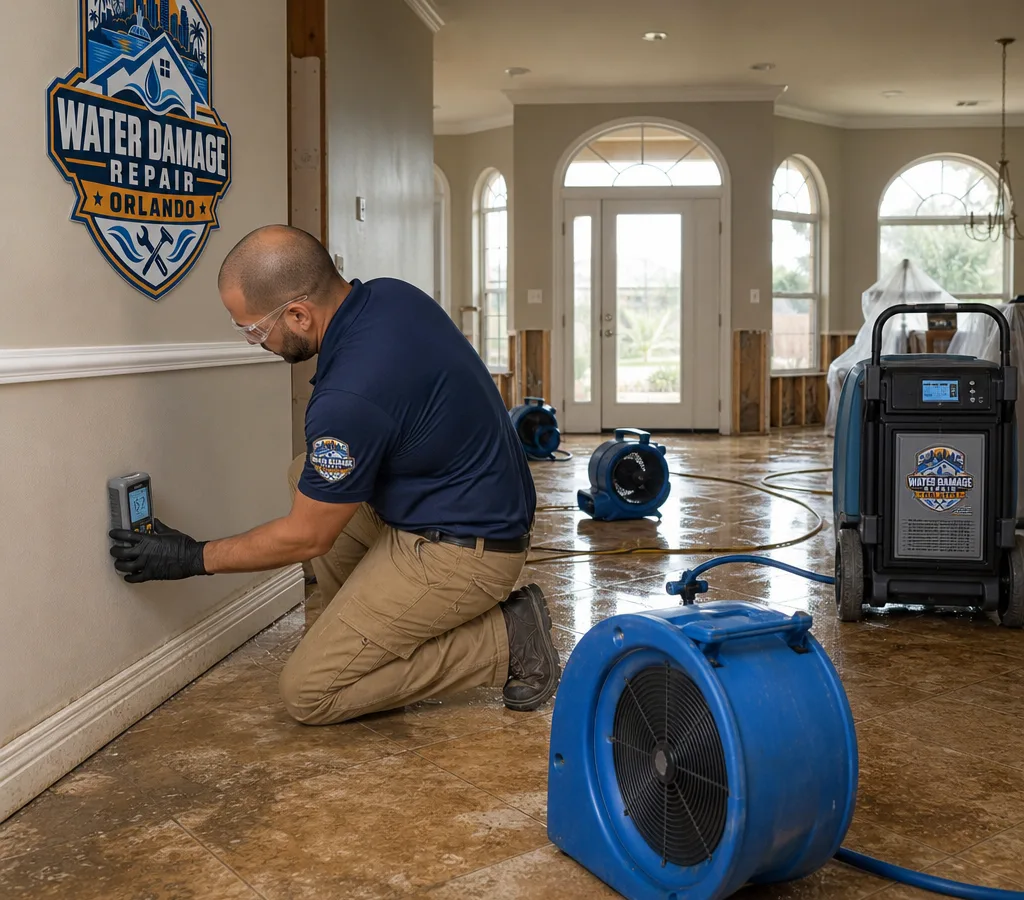
Control the loss before repairs
If you are searching for water mitigation Orlando homeowners trust after a leak, overflow, or storm water intrusion, the goal is simple: control the water, document what happened, and dry the building materials before they deteriorate.
Water mitigation is the work that happens between the loss and the rebuild. It includes stopping the source when possible, removing standing water, extracting water from carpet and pad, controlled demolition of unsalvageable wet drywall or baseboards, and setting up drying equipment to bring moisture back to safe levels.
In Orlando, water damage often shows up in a few common ways:
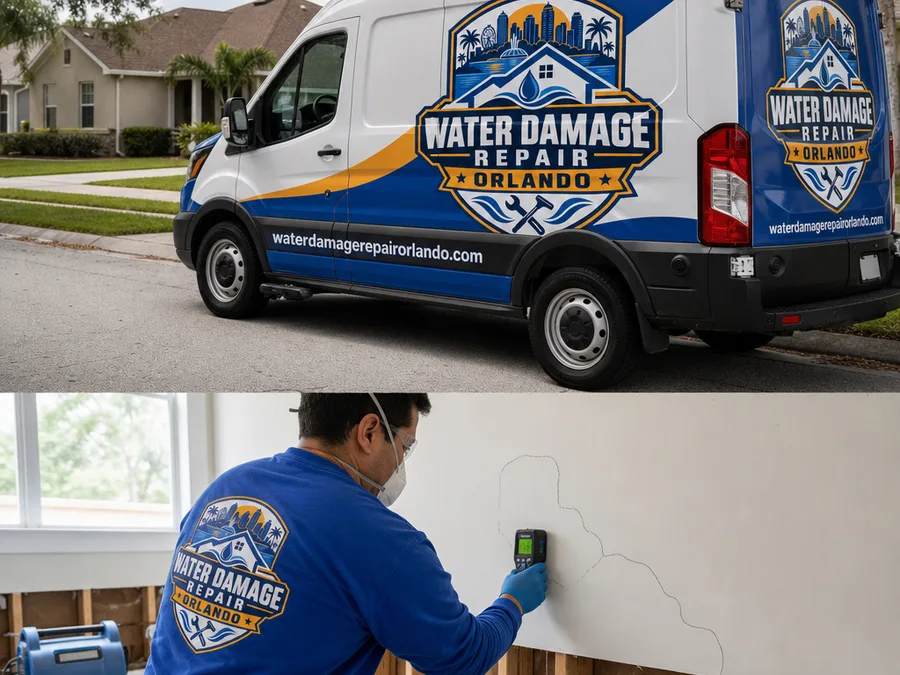
Water Damage Repair Orlando provides mitigation work in Orlando, FL 32812 and nearby areas with an emphasis on clear scope, clean containment, and drying that is verified with moisture readings, not guesswork. Water damage repair in Orlando can also include the repair phase after mitigation is complete.
Measured, controlled drying
We check walls, floors, and framing with moisture meters and document where water traveled so the drying plan matches the actual footprint.
Standing water and saturated materials slow drying and can damage finishes. When materials cannot be dried in place, they are removed cleanly and safely.
Air movers, dehumidifiers, and containment are set up based on the room volume and material types, then adjusted as readings improve.
Drying is measured. You should know what is wet, what is drying, what must be removed, and what can stay.
Protection for floors and walk paths, tidy equipment layout, and careful handling of personal items keep disruption lower during a stressful event.
Built for Central Florida
A mitigation plan that works in a dry climate can fail in Central Florida if it does not account for humidity and the way moisture re-enters the home.
High outdoor humidity means doors opening, HVAC cycling, and wet adjacent materials can slow the dry-down. That is why we focus on dehumidification strategy and monitoring, not just placing a few fans.
Condos and townhomes near areas like Lake Nona often have shared walls and stacked plumbing runs. In these buildings, water can migrate into neighboring units or into cavities that look dry at the surface. We use moisture readings to identify hidden moisture in wall assemblies and around baseboards.
In established neighborhoods such as Conway, you will often see a mix of older renovations and newer finishes. Different layers—tile over underlayment, multiple floor transitions, and patched drywall—change what can be dried in place versus what must be opened.
For commercial spaces around the airport corridor, downtime matters. We can plan extraction and drying to keep pathways clear and isolate affected areas so other operations can continue when it is safe to do so.
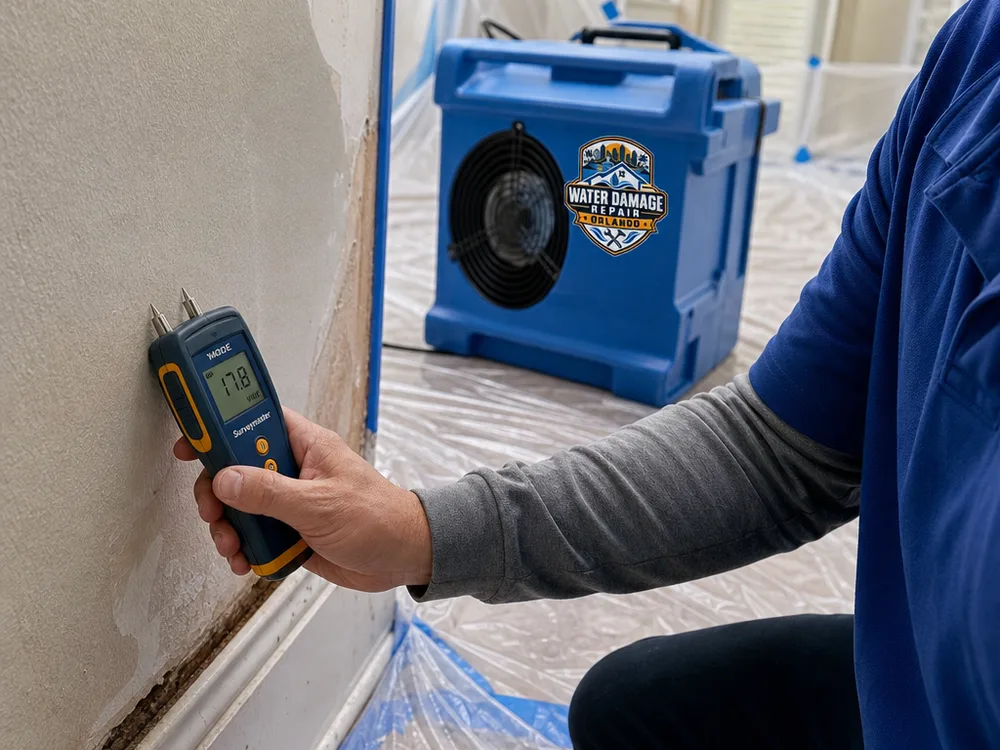
We identify the affected materials, likely path of travel, and immediate risks. If the water source is active and accessible, we help you stabilize the situation so damage does not spread.
Standing water is removed first, then we extract from carpet, pad, and porous surfaces. Items that can be moved are separated from wet zones to reduce secondary damage.
If drywall, insulation, cabinets, or flooring cannot be dried within a reasonable timeframe, we remove only what is necessary to expose wet assemblies and prevent trapped moisture.
We place air movers and dehumidifiers based on the space and materials. If there is visible microbial growth or high risk, we use containment and negative air practices as appropriate.
We take moisture readings during the dry-down, adjust equipment, and confirm when materials are back to an acceptable dry standard so the next phase can proceed confidently.
Planning the work
Water mitigation in Orlando typically ranges from about $1,000 to $6,000 for many residential losses, while larger events with significant demolition, multi-room drying, or mold concerns can run $7,500 to $20,000+. A small localized leak with minimal equipment is on the lower end; a kitchen, condo, or multiple wet rooms usually increases labor and drying days.
Final price depends on the category of water, how far it spread—including wall cavities—what materials are affected, such as carpet, hardwood, and cabinets, access, and how much removal is needed to dry the structure. The exact cost is confirmed after an onsite inspection and moisture mapping.
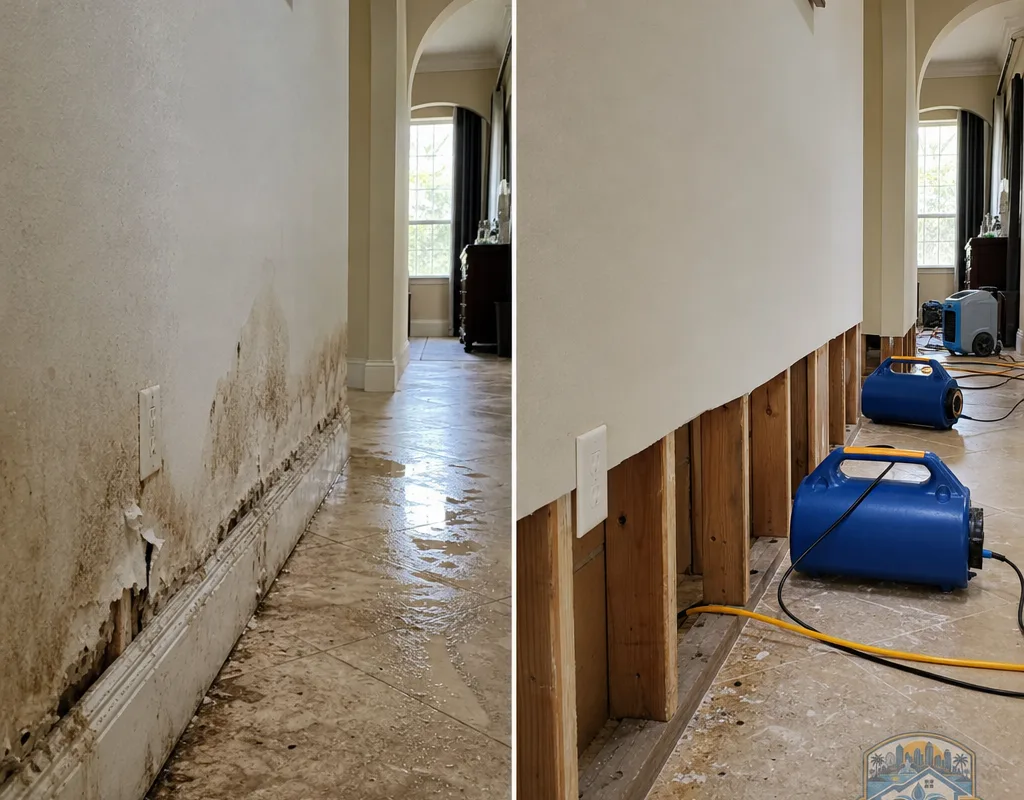
Measured work in practice
Answers before drying begins
Water mitigation should start as soon as the area is safe and the source is controlled, ideally the same day, because porous materials can absorb water quickly and humidity can slow drying in Central Florida. Early extraction and dehumidification reduce how far moisture migrates into drywall, trim, and subfloor.
We remove drywall or baseboards only when readings show wet cavities or when materials are too saturated to dry in place. The goal is targeted removal: open what is needed to dry the structure correctly while preserving unaffected finishes.
Many residential dry-outs take about 3 to 5 days, but the timeline depends on the material types, the depth of saturation, and indoor humidity control. We monitor with moisture meters during the process and adjust equipment to keep drying moving in the right direction.
Yes. In condos, townhomes, and multi-unit buildings, we focus on moisture mapping across shared walls, ceilings, and floor transitions because water can travel away from the visible stain. We can coordinate access needs and document the affected assemblies so repairs do not start over hidden moisture.
A musty odor usually means moisture remained in porous materials or there is microbial activity in a hidden cavity. Proper mitigation addresses this by drying to verified moisture targets and removing materials that cannot be cleaned or dried effectively, then using appropriate cleaning methods for the affected surfaces.
Shut off the water source if you can do so safely, turn off electricity to affected areas if there is standing water near outlets, and move small valuables away from wet zones. Avoid running central HVAC if you suspect contamination, and do not remove wet drywall or insulation without containment if there is visible growth.
Start with a measured plan
Tell us what happened and what areas are affected. We will guide you through next steps, inspect the damage, and provide a written scope based on moisture readings so you can move forward with confidence.