Rapid extraction of standing water
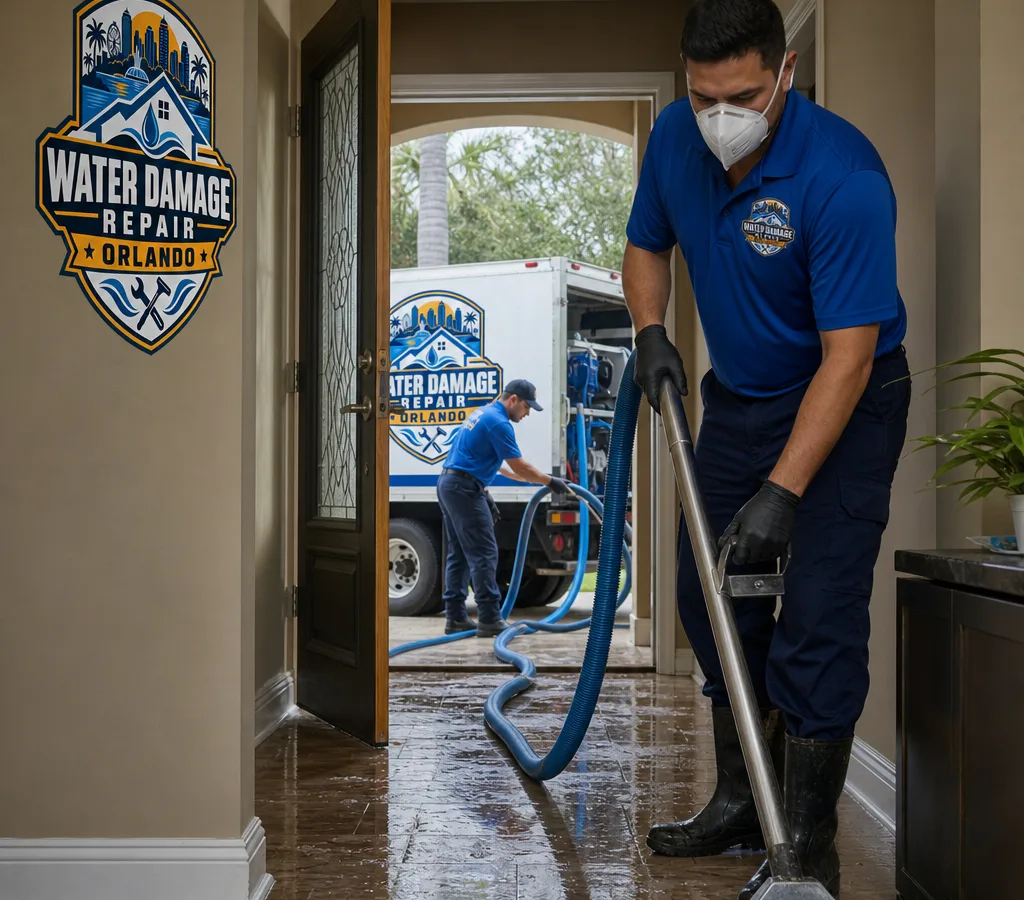
We use professional extractors to pull water from floors and porous materials. Faster extraction reduces how far moisture travels into walls, trim, and adjacent rooms.
Serving Orlando, Florida & surrounding areas
24/7 Emergency Response
Water removal in Orlando
When water gets in, time matters. Our local crew removes standing water, sets professional drying equipment, and documents the job so you can protect your property and move forward with a clear plan.
Act before moisture spreads
If you are searching for water removal Orlando help, you are usually dealing with an active problem: a supply line leak, an overflowing toilet, a water heater failure, stormwater intrusion, or AC condensation that finally showed up as wet drywall.
The goal is simple: remove liquid water quickly, then dry the structure correctly so materials do not stay wet behind finishes. Standing water can move under baseboards, into wall cavities, and into cabinetry toe-kicks. In Orlando, warm, humid conditions can make that trapped moisture harder to dry if the work is delayed or the setup is wrong.
Water Damage Repair Orlando handles residential and commercial water removal across Orlando, FL 32812 and nearby areas. We focus on the first actions that actually change the outcome: source control when safe, rapid extraction, dehumidification, airflow management, and moisture verification before equipment comes down.
Extraction through verification
We use professional extractors to pull water from floors and porous materials. Faster extraction reduces how far moisture travels into walls, trim, and adjacent rooms.
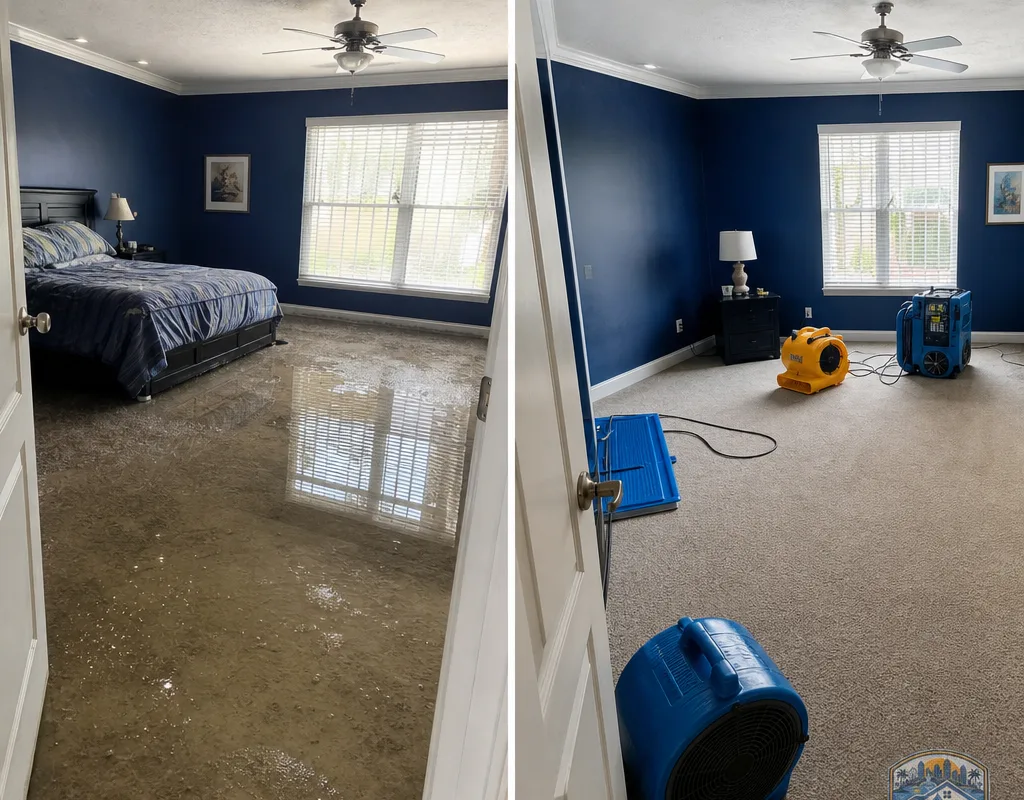
Carpet, pad, drywall, framing, and concrete dry at different rates. We place air movers and dehumidifiers based on the affected materials and room layout, not a one-size setup.
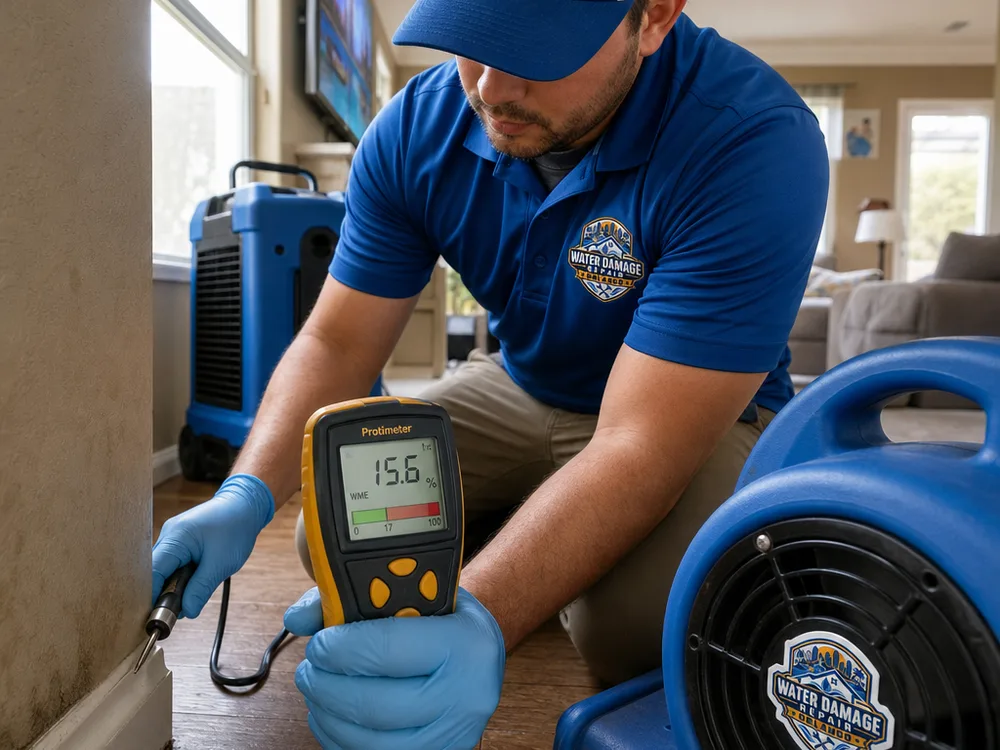
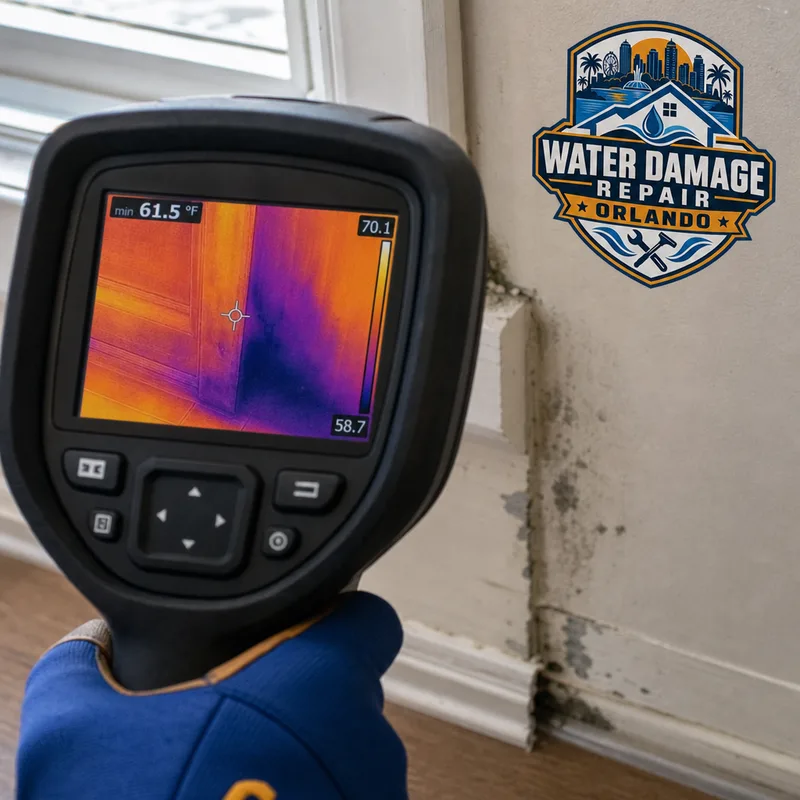
We check moisture levels in floors, walls, and base areas to find hidden wet spots. Clear documentation keeps the scope honest and supports insurance conversations when a claim is involved.
When water crosses room boundaries, we protect dry areas with careful equipment placement and practical containment steps to reduce cross-contamination and dust during removal work.
Some materials can be dried in place; others cannot. We explain what can realistically be saved, what needs removal, and what must be dry before repairs begin.
Built around the property
Orlando properties vary from slab-on-grade homes to multi-story condos and busy retail spaces. The water removal approach changes with access, building materials, and how quickly the water was discovered.
Common situations we handle:
For occupied homes and businesses, we prioritize safe walk paths, cord management, and equipment placement that keeps airflow effective without turning the space into an obstacle course.
If you also need a broader plan for cleanup and restoration after the dry-out, our team can coordinate the next phase.
We start by identifying where the water is coming from and whether power, slipping hazards, or contaminated water are concerns. If the source is still active and it is safe to do so, we help stabilize the situation before drying begins.
We inspect visible damage and measure moisture in likely migration paths, including along baseboards, around door thresholds, and at low points where water collects.
We extract standing water first, then address saturated materials that cannot be dried effectively or safely. This step is based on conditions in the room, not assumptions.
We set air movers and dehumidification to pull moisture out of the structure. In Orlando's humidity, controlling indoor moisture with the right dehumidification is as important as airflow.
We track drying progress with moisture readings and adjust equipment placement as needed. When target areas are dry, we document results and outline what comes next, whether that is minor rebuild work or additional restoration.
Planning the work
Water removal in Orlando typically ranges from about $450 to $2,500+ depending on how much water is present and how many rooms and materials are affected. A small, contained spill with minimal drying can sit near the low end, while multi-room extraction with several days of dehumidification and monitoring often lands higher.
Final cost depends on water category—clean or contaminated—how long materials stayed wet, whether carpet, pad, or drywall needs removal, equipment days, access such as upper floors or tight condos, and documentation needs. Exact pricing is confirmed after an on-site inspection and moisture mapping.
Extraction and drying in practice
“We found water in two rooms after an AC drain issue. They showed up quickly, extracted what they could, and explained exactly what was wet and what had to come out. The daily moisture checks made it easy to understand when it was actually dry again.”
Maria P.
“Our shop had water spread under flooring after a plumbing leak. They kept the work area organized so we could still operate, and the drying plan was straightforward. No vague promises, just measurements and a clear scope.”
Jason L.
Answers before work begins
Start water removal as soon as it is safe because the longer materials stay wet, the farther moisture spreads into walls, trim, and flooring. In Orlando's heat and humidity, wet materials can stay damp longer without professional dehumidification, so quick extraction and proper drying setup are the best way to limit the scope.
Sometimes, yes, but only if measurements show the materials can dry effectively in place. We verify moisture in drywall, baseboards, and flooring edges, then decide whether drying in place is realistic or whether targeted removal is needed to access wet cavities and prevent trapped moisture.
No. Clean water from a supply line and contaminated water from a backup require different safety steps and material decisions. When water may be contaminated, we use appropriate PPE, apply stricter containment, and often remove porous materials that cannot be safely cleaned to an acceptable standard.
Many drying jobs take 3 to 5 days, but the timeline depends on how saturated the materials are, what is wet—drywall and framing can take longer than surface moisture—and indoor humidity. We monitor progress with moisture readings and adjust equipment rather than guessing based on the calendar.
If it is safe, stop the water source, avoid rooms with standing water near electrical outlets, and move small valuables and soft goods off wet floors. Take a few photos for your records, and avoid running the HVAC if you suspect water in return vents or ducts until the situation is assessed.
Coverage depends on your policy and the cause of loss, but documentation matters either way. We record affected areas and drying progress so you have a clear, written scope. If you are filing a claim, that information helps support what work was necessary and why.
Start with a clear assessment
Tell us what happened, where the water is, and when you first noticed it. We will schedule an on-site assessment, start extraction and drying, and give you a clear scope for the next steps.