Certified, documented work
We follow industry-standard methods for inspection, moisture measurement, and remediation planning, with job notes and photos that make the scope easy to understand.
Serving Orlando, Florida & surrounding areas
24/7 Emergency Response
Our restoration process in Orlando
Every restoration job follows a controlled sequence: rapid assessment, moisture mapping, mitigation and drying, cleaning and verification, then repair planning. Our certified team documents each phase, explains the next decision, and keeps the work moving with practical timelines and careful containment.
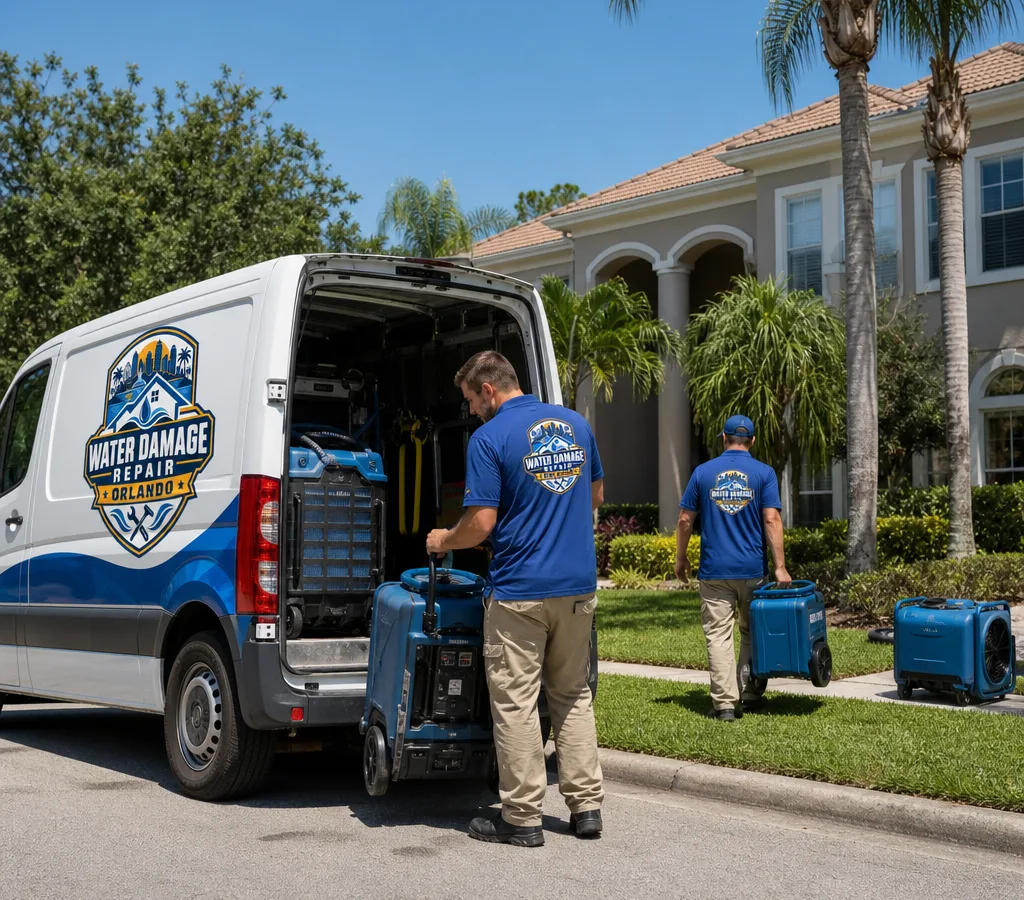
From first inspection to repair planning
When you call our restoration company, Orlando property owners get a defined workflow rather than disconnected services. We begin with a rapid assessment to identify safety concerns, the source and extent of damage, and the areas that need immediate protection. Moisture mapping then gives us baseline readings and helps reveal wet cavities or layered materials that a surface inspection can miss.
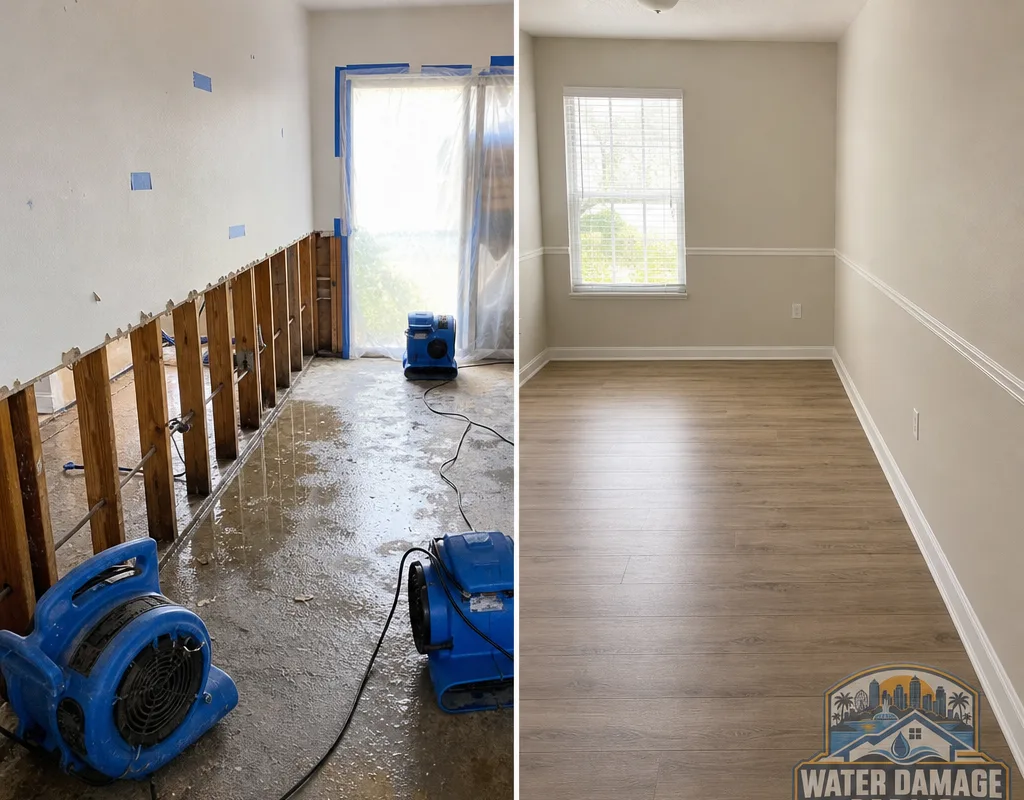
Next, we build the mitigation and drying plan. That may include extraction, containment, selective removal, air movement, and dehumidification sized to the conditions we document. During cleaning and verification, our team tracks readings, maintains job notes and photos, and confirms that affected areas have reached the appropriate targets before equipment is removed or repairs begin.
The final phase is repair planning. We explain what can be saved, what needs replacement, and how the restoration scope connects to the rebuild. In Orlando, where humidity can extend drying times, this measured sequence helps prevent rushed decisions and gives homeowners, property managers, and insurers a clearer record of the work.
Our service area is based in Orlando, FL 32812, and our process adapts to local building conditions. Older properties in Downtown Orlando, Thornton Park, College Park, and Winter Park can contain hidden chases or layered finishes, while newer Lake Nona homes often use engineered materials and tighter building envelopes. Careful assessment and moisture documentation guide the right approach in each property.
Controls built into every phase
We follow industry-standard methods for inspection, moisture measurement, and remediation planning, with job notes and photos that make the scope easy to understand.
We use practical controls like poly barriers, negative air when needed, HEPA filtration, and safe material handling to protect unaffected areas.
High ambient humidity can slow evaporation. We size and stage air movers and dehumidifiers based on readings, not guesswork.
Some materials can be dried and cleaned; others should be removed. We explain why, so you can make decisions with confidence.
Before rebuild work starts, we confirm what is coming out, what stays, and what finishes are being restored, so the project does not drift.
Restoration is disruptive. We keep pathways organized, protect surfaces, and schedule noisy or dusty steps so the building can function when possible.
Complete loss coordination
People often use the term “restoration” to mean different things. A qualified team should be able to evaluate the loss, stop further damage, and manage the steps that return the property to a safe, usable condition.
On a typical project, restoration companies in Orlando may handle or coordinate:
If your situation is insurance-related, we can support the documentation side by providing a clear scope, photos, and moisture readings. If it is not insurance-related, the same documentation still matters because it prevents unnecessary removal and keeps the rebuild phase predictable.
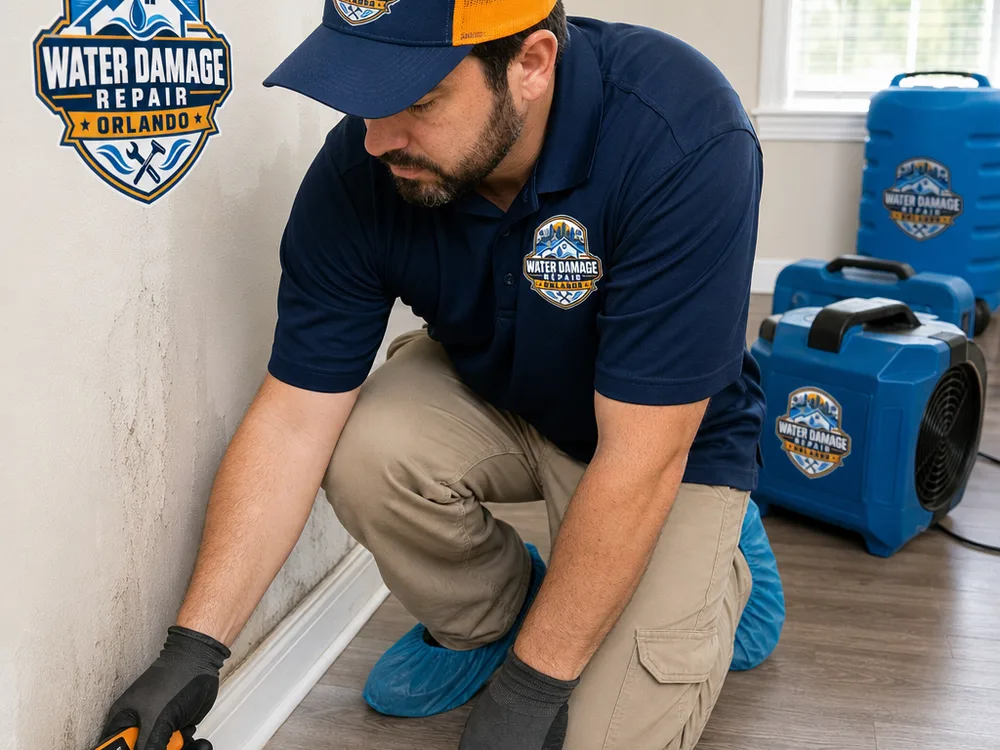
We identify affected materials, safety risks, and what needs immediate containment. If a room must be isolated, we set barriers early to keep the rest of the property livable.
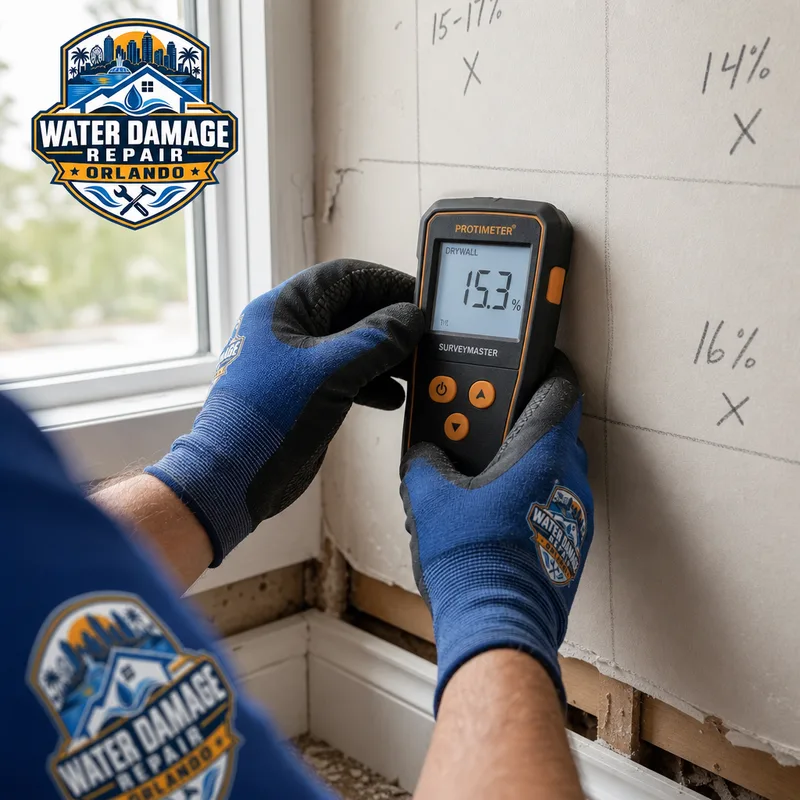
We take readings, not just surface checks, to determine where moisture migrated. Then we outline what gets dried, what gets removed, and what conditions must be met before rebuild begins.
We extract water when present, remove damaged porous materials as needed, and set equipment sized to the space. In Orlando's humidity, dehumidification strategy is as important as airflow.
We perform HEPA vacuuming and cleaning as appropriate, manage odor control when needed, and verify progress with follow-up readings so the project does not stall.
Once the structure is dry and stable, we transition into repair. We confirm materials, match levels of finish where possible, and keep the scope aligned with what was approved.
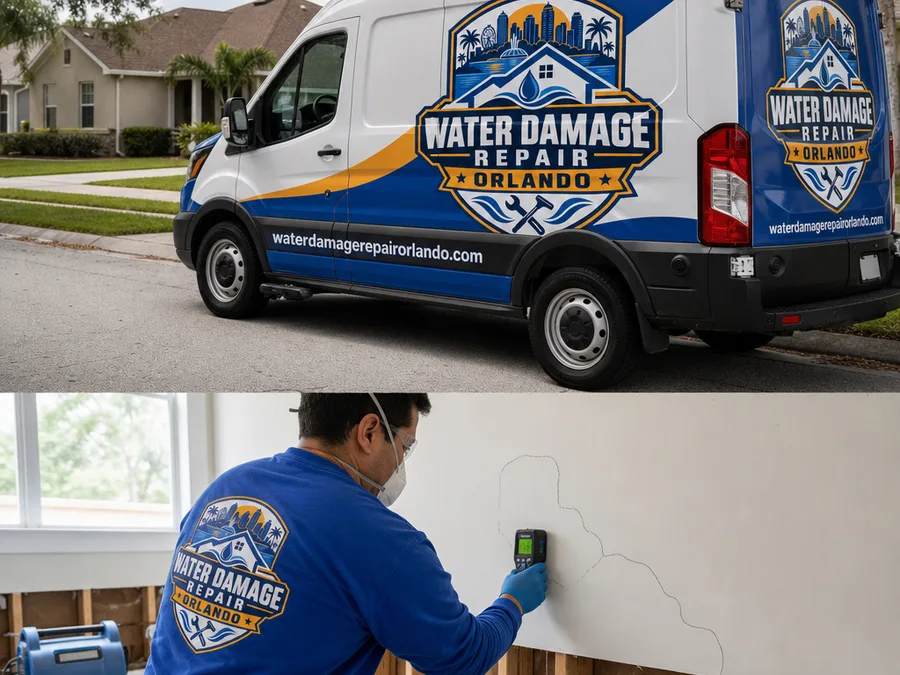
Controlled work in practice
Planning the investment
Most Orlando restoration projects typically range from about $1,500 to $12,000+, with small, contained mitigation jobs at the low end and multi-room losses with demolition and rebuild at the high end. A limited dry-out with minimal removal may fall around $1,500 to $3,500, while a larger loss that requires equipment over several days, selective demolition, and repairs commonly lands around $5,000 to $12,000+.
Your price depends on the affected square footage, how far moisture migrated through walls, subfloor, or cabinets, the category and condition of the loss, access, how long equipment must run in Orlando's humidity, and what finishes need to be restored. The exact cost is confirmed after an on-site inspection and a written scope.
If you are comparing restoration companies in Orlando, start by getting a written scope and a drying or remediation plan you can understand before any major removal or repairs begin.
Call for Emergency HelpAnswers before work begins
Response time depends on crew availability and the severity of the event, but urgent stabilization is typically prioritized the same day when possible. In Orlando, quick action matters because warm, humid air can slow drying and increase the chance of secondary damage, so the first visit should focus on assessment, containment, and a practical plan for mitigation.
Look for a contractor who will measure and document conditions, explain containment, and give you a written scope instead of vague promises. Ask how they verify drying with moisture mapping and follow-up readings, what standards they follow for cleaning and filtration, and how they handle change orders if hidden damage is discovered after selective demolition.
A professional restoration plan uses both approaches depending on what is wet, what type of material it is, and how far moisture traveled. Non-salvageable porous materials are removed when necessary, while some assemblies may be dried in place when readings support it and access allows proper airflow and dehumidification.
Yes, we can provide a clear scope, photos, and job notes that help support a claim while you stay in control of decisions. For many Orlando property owners, the most helpful piece is a documented moisture map and a written plan that explains what must be removed, what can be dried, and what is required before repairs start.
We control dust and contaminants by using containment, HEPA filtration, and safe work practices tailored to the affected area. If microbial growth is present, the plan typically includes isolating the work zone, removing impacted porous materials as needed, cleaning remaining surfaces appropriately, and verifying the area is ready to transition into repair.
Yes. Our team is based in Orlando (32812) and commonly works throughout the surrounding metro. Neighborhood access and building type can change the approach, for example tighter townhome layouts that need careful equipment placement or older homes where moisture can travel through hidden cavities.
Move forward with confidence
Tell us what happened and what areas are affected. We will schedule an on-site inspection, explain the next steps, and provide a written scope so you can move forward with confidence.